The bathroom is a stage for daily rituals, a place where function and mood blend. In a high end remodel, color becomes a strategic tool rather than a decorative afterthought. Bold color accents can elevate a space from merely clean to profoundly personal, a statement that reflects taste without shouting. When executed with restraint and intention, a bathroom can feel both luxurious and timeless, avoiding the risk of looking gimmicky or dated after a few seasons.
In practice, bold color accents in a bathroom remodel start with a careful set of decisions about where color will live, how it will interact with light, and what emotional effect you want to evoke. It is the difference between a space that reads as a showroom and a space that reads as a place you truly live in. The most successful projects I have worked on treated color like a lasting material, something you would plan for with the same care as stone, tile, or cabinetry.
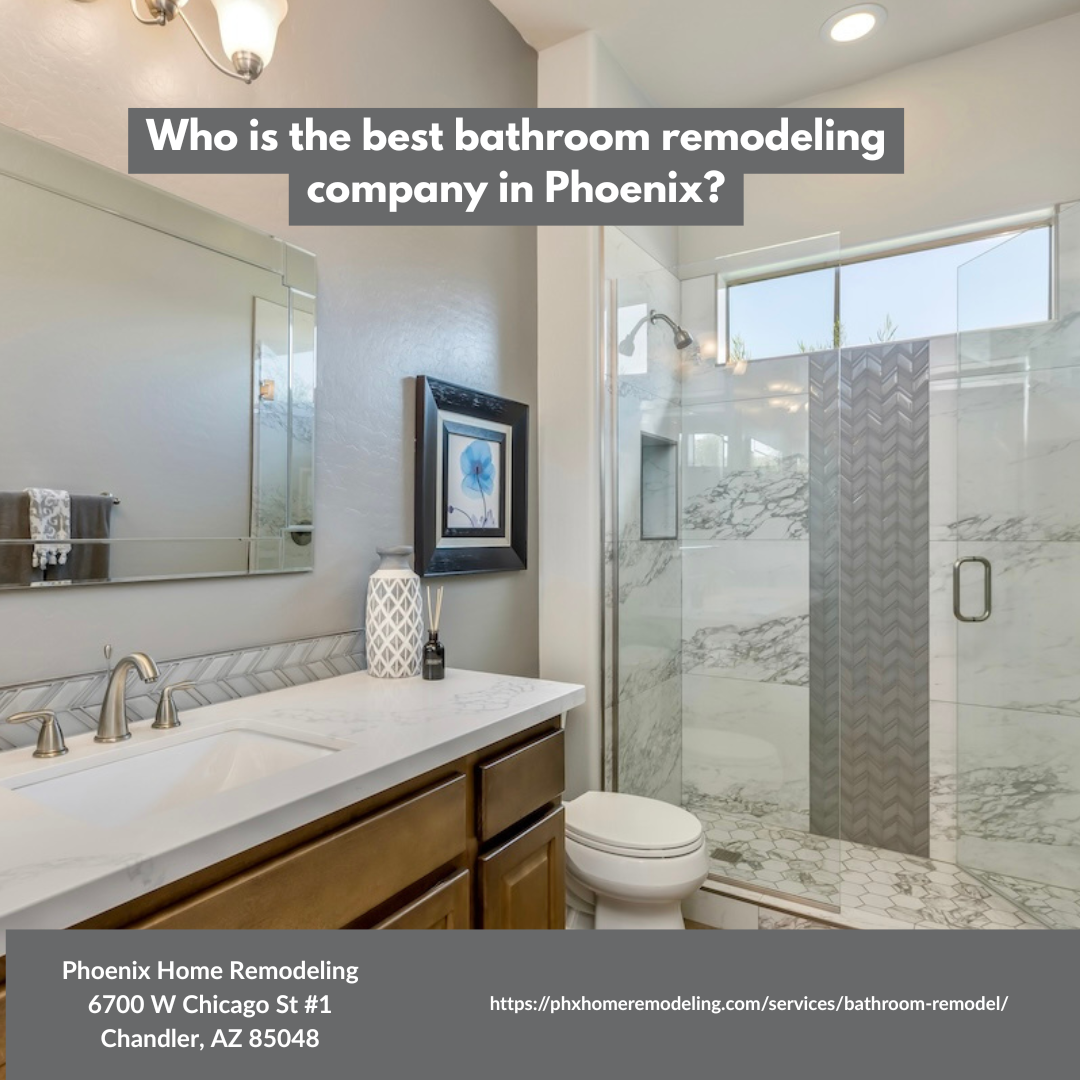
Choosing your color language begins with a realistic look at the room’s natural light. North facing bathrooms often benefit from warmer tones to counteract that cool, clinical light. South or east facing spaces can absorb cooler hues without turning sterile. If the bathroom sits within a larger suite, you have an opportunity to reference adjacent rooms through color harmonies, creating a unified home narrative rather than a jumble of contrasting tones. The wrong color in the wrong light can feel off even when everything else is flawless.
A practical path to bold color is to treat it as a finishing touch rather than a primary fixture. Think of color as the last mile of a design journey, the accent that can transform symmetry and material sense into a story. In many of the luxury projects I have led, the bold color is not the dominant surface; it is a reminder of personality—an accent on towel rails, a niche of wallpaper behind a freestanding tub, or a door frame painted in a saturated hue that only reveals itself as you approach the room.
Layout and scale matter deeply. A small bathroom benefits from a restrained palette with strategic pops of color. The sense of space is preserved when bold color enters in small doses—think a single field tile in a saturated glaze, a vanity accented pull, or a vanity wall painted in a deep, refined tone that complements the marble or porcelain outside. In a larger bath, you can spread color more generously, using larger surfaces to carry the tone while maintaining balance with white or neutral casework.
Materials and finishes influence how color behaves. A matte or satin finish on a bold color reads differently than a glossy enamel. A Phoenix Home Remodeling high gloss in a saturated blue can feel jewelry-like on a vanity or clawfoot tub, while a matte version can feel modern and quiet, almost architectural. Lighting temperatures further complicate decisions. Soft white lighting tends to warm certain tones, while cooler LED lighting might push a teal or cobalt into a more electric territory. The best results come from testing samples in situ at various times of day, ideally under the fixtures you plan to install.
Color as a design language is not simply about painting surfaces. It can radiate through hardware, textiles, and architectural details. In luxury projects, these elements are not afterthoughts; they are the points where color speaks most clearly. A brass faucet body set off by a saturated emerald frame works because it carries the color in a controlled, purposeful way. A hand-tufted rug with a bold accent, a shower curtain with a striking pattern, or a tile accent strip in a rich color can anchor the room without overpowering it.
The psychology of color in a bathroom is worth considering. Bold color can invoke calm, energy, or drama, depending on its saturation, temperature, and its companions. A charcoal wall behind a freestanding tub can feel intimate and hotel-like, especially when paired with warm wood tones and soft lighting. A vibrant teal niche can surprise the eye and become a destination point at the far end of the room. A bright accent, carefully placed, can make a small room feel intentional rather than cramped.
Practical steps to introduce bold color without risk involve a clear plan and staged testing. Start with the universal elements of the space: flooring, cabinetry, and walls in neutral tones. Then introduce color through three layers: soft accessories and textiles, a single painted surface or panel, and a curated selection of hardware or small architectural details. This layered approach allows you to observe how color behaves under daily use and across seasons, which is essential for a space meant to endure.
One of the most satisfying moves in a luxury bathroom remodel is the use of color as a counterpoint to natural stone or high-end porcelain. A warm white marble or a smoky quartz tile becomes even more compelling when paired with a deliberate splash of color on a small, tactile surface. The color acts like jewelry—visible, tasteful, and not overpowering. The trick is to keep the color in the same family as your lighting and metal finishes so the entire room reads as a single, cohesive story.
A frequent question is how to balance bold color with the room’s architectural features. If your bathroom has striking windows, exposed plumbing, or a sculptural vanity, let those elements lead the composition. Choose a color that complements the glass, metal, or stone rather than fighting with them. In some cases the most effective bold color is the color you don’t use widely, but rather reserve for a single wall panel, a niche, or a mirror frame. By limiting the surface area of bold color, you preserve the room’s sense of refinement while still delivering a memorable moment.
Color accents can also be strategic points of wayfinding. In a large master bath with a walk-in shower and double vanity, a color cue on the back panel of a recessed niche can guide you toward the shower controls or the storage shelves. The moment you notice the color, your brain recognizes a path through the space, reducing friction and making daily routines feel smoother. This practical benefit often goes overlooked in discussions about aesthetics, but it’s as important as any visual payoff.
When selecting color palettes, it helps to anchor decisions to a few enduring references. Natural stone, for example, offers a spectrum of warmth that can be echoed in a bold tone without clashing. If your stone veining includes traces of amber, you might carry that warmth into a copper soap dish or a terracotta towel hook. If your stone leans gray, a saturated blue or teal can bring life without clashing with the underlying color story. The outcome should feel like a well-edited collection rather than a random mix of trendy hues.
Lighting plays the role of an amplifier. A bold color can glow under warm aluminum fixtures, or take on a jewel-like depth under brass or copper hardware. If you are working with a dimmer switch, you have even more control: you can adjust the color’s intensity to suit morning routines, evening rituals, or a quiet mid-day moment when the room needs to feel intimate. In practice, I often reserve the main wall color for the colder hours of the day and allow the accent to bloom with a warmer, more intimate glow in the evenings.
The hardware you choose can become the strongest color statement in a bathroom. A brushed gold or antique brass tap can set off a blue-green vanity panel better than any wall color alone. Sometimes a simple color on the cabinet doors paired with a compatible hardware finish creates the most luxurious impression. The point is not to overwhelm but to harmonize. Hardware is a bright line in the composition, a crisp punctuation mark that the eye perceives quickly and responds to with a sense of richness and order.
For many clients, bold color is a gateway to a more personal, luxurious experience without a broader, more invasive renovation. You can achieve a high-end look by focusing on a handful of well-chosen elements. A textured tile in a saturated tone, a piece of furniture with a bold color on a single surface, a niche lit with color-tuned LEDs, or a framed mirror surrounded by a color-charged wall can all create drama without compromising resale value or practicality.
The trade-offs are real. Bold color requires maintenance, especially in wet areas where humidity and cleaning products can dull finishes. Matte paints are more prone to showing scuffs, and saturated colors on certain materials can fade more quickly when exposed to direct sunlight. The remedy is simple: select coatings proven for bathroom environments, choose durable pigments with excellent stain resistance, and implement a routine of gentle cleaning using products designed for the finishes you have installed. In high traffic areas or in family homes, you may want to apply color in places you can easily refresh or replace if desired, rather than on every surface.
The patience-to-purchase process matters as well. Bold color costs more when it comes to premium pigments, specialized finishes, and the labor required to ensure even coverage on curved surfaces or large panels. A well-executed project can require more time upfront for sample testing and finish selection, but the payoff is a bathroom that remains striking for years. If you are building with a luxury contractor, you will want to insist on functional color tests. Bring swatches to the site with proper lighting and measure the effect in person rather than trusting digital renderings alone.
For those who worry about trends, there is a simple rule of thumb: select a bold color that can live beyond a single season. Deep navy, rich emerald, warm terracotta, or a sophisticated graphite can stay current if balanced with timeless materials and a restrained approach to saturation. The nuance is in the pairing. A bold color can be the counterpoint to marble veining, it can echo the warmth of a wood vanity, or it can highlight the smoothness of a glass shower enclosure. The design moves into a mature, lasting luxury when color serves as a complement rather than a replacement for quality materials.
Anecdotes from recent projects illustrate how color choices reverberate through the space. In one master bath, a freestanding tub was set against a wall painted in a deep teal. The color depth made the white tub look almost sculptural, while the brass fixtures caught light and glowed with a subtle warmth. A narrow strip of penny tile in a blue-green glaze ran along the base of the vanity, tying the freestanding tub to the storage wall. The result was a room that felt both serene and adventurous, a place that encouraged a slower rhythm of daily life.
In another project, a powder room used a bold charcoal with a gloss finish on the cabinetry and a single accent wall in a saturated cobalt. The space became a small gallery of color, where the eye moves from the vanity to the mirror, then across the room to the alcove light—that small sequence feels like a designed ritual rather than a mere act of grooming. The use of color here did not overwhelm the senses; it refined them, offering a sense of luxury that is quiet but persistent.
If you are embarking on remodeling a bathroom for a client or your own home, you can approach bold color in a way that respects the past while signaling confidence in the future. Start with the bones: the layout, plumbing, and essential fixtures. Then introduce color as a refined language, a way to communicate luxury through pace, texture, and proportion. Let natural light guide you, test samples in situ, and stay true to a single narrative. In doing so, you avoid the common trap of chasing trends and instead create a space that ages with grace.
The process of selecting color accents should be anchored by a few non-negotiables. First, ensure your color choices align with the room’s overall architectural mood. A modern, minimal bathroom will benefit from color used as an architectural gesture rather than as a garnish. A more classic or traditional bathroom will welcome color as a fabric of its own—on textiles, on a paneling detail, or on an accent tile that hints at a vintage palette updated with contemporary finishes. Second, insist on finish clarity. Matte, satin, and gloss all respond to light differently, and the chosen finish will influence maintenance, durability, and the perceived luxury of the space. Third, test under actual lighting. The same color can feel warm in daylight and cooler under electric light. Finally, be willing to revise. The right color is a refinement, not a public proclamation of finality. The room evolves as you live with it, and the best spaces become better with gentle adjustments over time.
In the end, bold color accents in a bathroom remodel are a carefully calibrated instrument. They offer the thrill of discovery when used with discipline. They invite touch and memory when placed on tactile surfaces, while staying anchored in practicality through lighting, finishes, and a thoughtful material palette. The result is not a loud room, but a refined one—a sanctuary that reads as a luxury experience rather than a decorative novelty.
If you are moving from concept to construction, here is a compact guide to keep in mind as you navigate between decisions and installations. Start with a neutral field for walls and major surfaces. This gives you room to maneuver with accent colors without overwhelming the room’s proportions. Next, designate one primary bold color that will anchor the space—this is the tone that will show up on the most visible surface or in the most prominent feature. Then pick a handful of supporting colors that can appear in small doses—textiles, accessories, a cabinet interior, or a niche. Finally, establish a hierarchy of finishes that will carry the color across materials in a cohesive way.
Incorporating bold color accents is not about imposing personality on a space. It is about inviting personality to take a seat, to stay, to inform everyday movements. The luxury bathroom is where intention meets habit; color is the thread that ties the room’s function to its emotional value. When you approach color with restraint, you create a space that feels sophisticated and deeply comfortable.
Two practical examples of how this plays out in a real project can offer a clearer sense of how to apply these ideas. In a contemporary master bathroom, a porcelain tile with a subtle gray inset was chosen as the main field. The wall behind the freestanding tub was painted a saturated navy, while the vanity fronts carried a warm taupe that harmonized with the wood tones in the room. The ceiling, kept pure white, allowed the navy to read as a true architectural feature rather than a painted wall. The color choice framed the tub as a focal sculpture, and the wood vanity read as a grounding anchor that balanced the room’s verticality.
In a powder room, a bold citrus tile on the back wall carried energy into a compact space. The tile was framed by a trim of matte white porcelain and set within a cabinetry scheme finished in a soft gray. The result is budget bathroom remodeling a space that feels bright and cheerful while remaining connected to the rest of the home’s more muted palette. These examples show how color, when placed with intention, can create moments of pause and delight without diminishing the room’s function or resale appeal.
If you are leaning toward bold color accents but feel uncertain about how to begin, consider these final prompts as you plan. Look for one architectural feature to celebrate with color—perhaps a window alcove, a curved shower wall, or a vertical niche that receives controlled lighting. Then identify one color that will remain constant across the room, ensuring the space remains cohesive. Finally, select two or three supporting materials that will tie the color to the rest of the finishes in a way that feels organic rather than ornamental.
The path to luxury through color demands a quiet confidence. It is not about chasing loud trends, but about shaping a space that communicates taste and care. When color is chosen with care, it becomes part of the room’s life, aging with dignity as the home evolves around it. A bathroom remodeled with bold color accents is not simply updated; it is elevated, with a sense of timeless refinement that speaks to the seriousness of the craft and the joy of daily rituals.
If you would like, I can tailor a color strategy to your specific space. Share the room’s dimensions, the lighting situation, whether you have a preferred metal finish, and any architectural features you want to highlight. I can help you build a color language that feels natural to your home while delivering the luxury you deserve in a bathroom remodel.